





Why Payout Speed Matters More Than Most Players Expect
Cash-out timing shapes the whole experience. A player can enjoy the lobby, finish a session in profit, and still feel disappointed when the money sits in a pending state longer than expected. That is why this topic keeps getting searched. People are not only chasing a win. They want to know how long the final step takes.
For Panda Royal users in Canada, the question is more detailed than “How fast?” They want to know what slows the process, whether card deposits change the route of payment, how bonus money affects the request, and why one person gets funds sooner than another. A familiar case shows the issue clearly: someone ends a late-night session, submits a request, then checks the balance every few hours and assumes something is wrong. Very often, the request is simply moving through review, not failing.
That is why generic phrases do not help. “Fast withdrawals” sounds attractive and says almost nothing. A useful article explains the moving parts: internal review, account checks, payment path, weekends, document approval, and balance type. Once those pieces are visible, the waiting period stops feeling random.
Royal Panda Casino Withdrawal Bonus And Payout Limits
Bonus money makes cash-out planning harder because not every balance figure behaves the same way. One part of the account may be fully cashable. Another part may still be linked to wagering conditions, promotional caps, or campaign rules. A player sees one total, submits one request, and later wonders why the approved figure looks smaller than expected.
That is where Panda Royal users need to slow down and read the balance structure before requesting funds. A common pattern looks like this: the account shows winnings, but part of that amount came from an active offer. The player requests a payout immediately and only afterward notices that some value was not yet free for withdrawal. The request may not be rejected because the platform is weak. The balance simply was not all in the same category.
Another point matters too. Promotional value can affect the practical limit of what can be taken out from a specific campaign, even when the main balance still looks strong. Experienced players check the offer notes before pressing the button, not after. That habit cuts down on canceled requests, repeat reviews, and false expectations.
How Card Funding Changes The Cash-Out Route
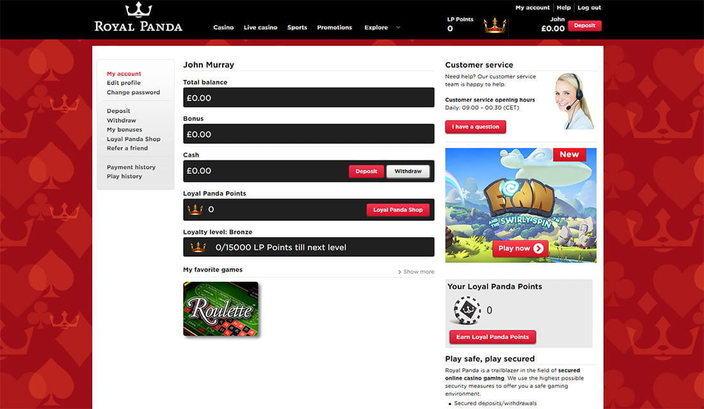
Bank cards remain popular because they are familiar, quick at deposit stage, and easy to understand. Yet card use also creates one of the most misunderstood parts of the process: the return path. Many players assume every withdrawal can move freely to any selected method, while the actual route often begins with the original or eligible funding source.
A typical case is simple. A player deposits by card, plays for a few days, then decides that an e-wallet or bank method would be more convenient for the payout. The request goes in, but the platform may still need to follow payment-routing rules first. That can mean sending money back through the earlier path up to a certain amount before another method handles the remainder. When players do not know that ahead of time, they read ordinary processing logic as delay.
Why Card Deposits Feel Easy But Payouts Feel Slower
Depositing by card is usually one clean step. Confirm, fund, play. Cashing out is a chain. Review happens first. Identity status matters. Method compatibility matters. Then the receiving side - card issuer, bank network, or processor - adds its own pace.
That difference explains the emotional gap. The deposit feels instant, so the player expects symmetry on the way out. Real money flow rarely works in a perfect mirror. Panda Royal users who understand this early tend to make calmer decisions after a good session.
Why Alternative Methods Can Change Expectations
Some players prefer e-wallets or direct bank routes because they want cleaner separation between gaming funds and daily card spending. Others choose them because they expect easier tracking. Those reasons are sensible. They also shape expectations around speed, because people often assume an alternative method automatically means a shorter wait.
Sometimes it helps. Sometimes it does not. Method choice is only one factor. Unresolved verification, bonus-linked funds, weekend timing, or internal review can still shape the final pace.
What Usually Slows A Request First
Before blaming the banking side, it helps to check the obvious internal points. Was the account fully verified? Did the name match across payment details and profile data? Was there recent bonus activity? Was the request placed late on a Friday?
Players often search for external explanations first. In practice, the first slowdown is frequently inside the account itself. Fixing those basics early keeps the process cleaner and reduces repeated reviews.
Verification, Review, And The Real Timeline
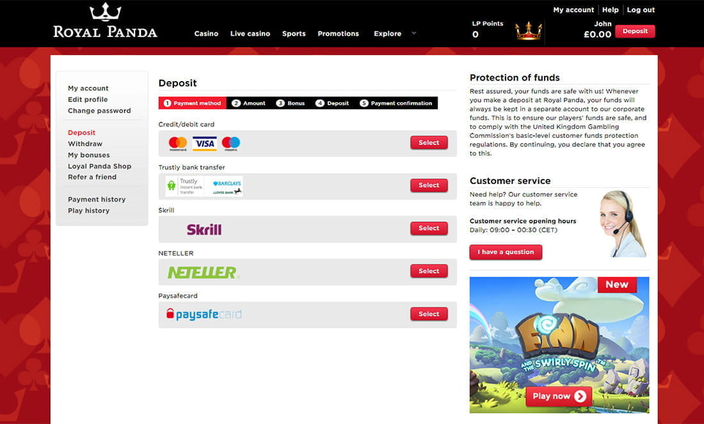
Verification is not decorative. It is the checkpoint that decides whether the platform can release funds with confidence. A player who handles it early usually faces less friction later. A player who ignores it until the first successful session often discovers that the real clock does not start with the request. It starts when the account meets review standards.
One practical example makes this clear. A user deposits, plays, wins, and then requests funds before checking profile status. The request lands, but now the account needs document work. That can mean ID, payment proof, address evidence, or a method check. None of this is unusual. Still, to the player, it feels like the platform “suddenly slowed down.” In reality, the account only reached the stage where those checks became unavoidable.
The best habit is dull but effective: complete the review side before the first urgent need for money arrives. Then the request can move through approval instead of sitting behind missing items.
Process Stage | What Happens | What The Player Should Do |
|---|---|---|
Request submitted | Balance enters pending review | Do not cancel repeatedly |
Account review | Profile and payment details are checked | Confirm all personal details match |
Document stage | Extra proof may be requested | Upload clear files once |
Approval | The platform releases the funds | Watch for status change |
Banking arrival | Provider or bank posts the money | Allow extra time |
Which Documents Usually Matter Most
Identity proof is often the first priority. After that comes the link between the player and the payment method. Address support may matter too, especially when the profile was created quickly and left half-finished. Clear files save time. Blurry screenshots, cropped cards, and mismatched names usually do the opposite.
Players sometimes make this harder than necessary. They upload several versions of the wrong file, send a partial image, then edit account details in a panic. A cleaner approach works better: read the request carefully, provide one accurate set, and let the review cycle do its job.
A Practical Cash-Out Window For Canada Players
No one can responsibly promise a single number for every payout. The smarter way to think about timing is in layers. First comes the platform’s own review window. After that comes the provider or banking side. Add weekends, document requests, and method-specific processing, and the total time starts to vary even when two players press the same button on the same day.
That does not mean players are left in the dark. It means they should measure progress in stages, not as one giant block of waiting. A request can be healthy and still not be finished. A better rhythm is simple: confirm the request, check whether the account is fully reviewed, monitor status changes, and only worry when the process stops moving for longer than the normal internal cycle.
Canadian users should also think about timing on their own side. A request made during regular support and review hours often feels more predictable than one filed close to the weekend edge. Then there is the emotional part. Once a player wins, every hour feels longer. That is exactly when discipline matters. Submit once, check calmly, and do not reverse the request because the waiting feels uncomfortable.
Where Players Misread The Balance
One of the biggest mistakes is treating the account total as one uniform block of cash. It rarely works that neatly. There can be deposited funds, cashable winnings, promotional value, pending adjustments, and amounts still tied to offer rules. When those categories sit close together, the player reads one story while the system reads another.
This is where Panda Royal users benefit from reading the cashier area more carefully. A short pause before requesting funds can answer three useful questions: what part of the balance is fully available, what part is still restricted, and what condition must be completed first. That pause is worth more than another guess from a forum thread.
Why Canceled Requests Create More Friction
A canceled request feels harmless. The player changes their mind, reopens the balance, maybe keeps playing, and plans to cash out later. But that habit often creates a mess. The balance changes. Bonus conditions may shift. New deposits may alter the routing logic. A process that could have ended in one straight line turns into a zigzag.
A familiar pattern goes like this: request submitted, anxiety rises, request canceled, new play begins, balance changes again, second request goes in, then the player wonders why the account needs another careful look. That second look is not surprising. The account itself changed.
Mobile Habits That Make Payouts Easier
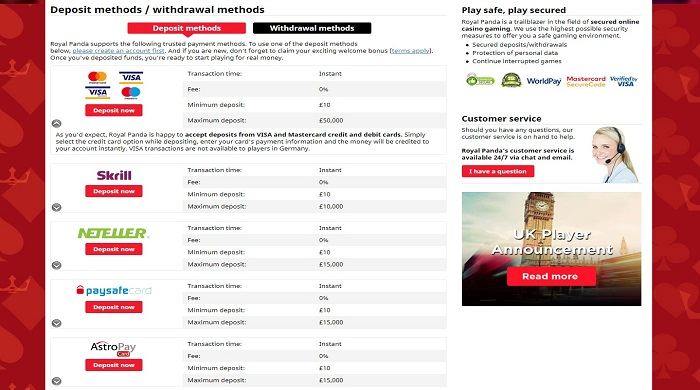
Mobile account checks are part of ordinary gambling life now. They are convenient, fast, and sometimes too fast. A player can open the cashier while commuting, while standing in line, or while half-focused on something else. That convenience helps right up until an important review step is handled in a distracted mood.
Small-screen mistakes are usually tiny. One wrong digit in an address field. One rushed upload. One missed note in the cashier area. None of them look serious at the time. Together, they become the reason a payout takes longer than it should. That is why the smartest mobile habit is not “do everything on the phone.” It is “know what should wait for a calmer screen.”
A practical routine works well. Use the phone for monitoring, checking status, and reading updates. Use a steadier moment for document uploads, payment edits, and major requests. That split keeps convenience without giving away accuracy.